
In 2025, many JLPM authors make outstanding contributions to our journal. Their articles published with us have received very well feedback in the field and stimulate a lot of discussions and new insights among the peers.
Hereby, we would like to highlight some of our outstanding authors who have been making immense efforts in their research fields, with a brief interview of their unique perspective and insightful view as authors.
Outstanding Authors (2025)
Qianghua Zhou, North York General Hospital, Canada
Rosita Gabbianelli, University of Camerino, Italy
Raffick A. R. Bowen, Stanford Health Care, USA
Janne Cadamuro, Paracelsus Medical Private University, Austria
Joakim Hekland, Norwegian Organization of Quality Improvement of Laboratory Examinations, Norway
Jack Breen, King’s College London, UK
Ashley R. Rackow, Johns Hopkins University, USA
LVKS Bhaskar, Guru Ghasidas Vishwavidyalaya, India
Jacqueline A. Hubbard, Beth Israel Deaconess Medical Center, USA
Outstanding Author
Qianghua Zhou
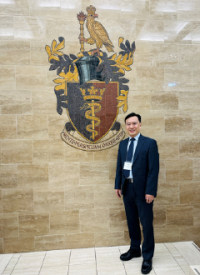
Dr. Qianghua Zhou is a hematopathologist at North York General Hospital in Toronto, Ontario, Canada and an assistant professor at University of Toronto. His main research areas are hematological malignancies, mainly acute myeloid leukemias and their molecular pathogenesis. He also conducts research in coagulation and transfusion medicine. Currently, he has a funded project in single cell analysis of AML with BCR-ABL1 and several co-supervised projects in AML classifications.
JLPM: What are the key skill sets of an author?
Dr. Zhou: For senior authors, the sense of frontiers, unknowns, and gaps in your area is very important. This will rely on continuous reading and discussing with people. Project management skills are important because oftentimes we have a gazillion things to do. Build a team that can collaborate and utilize everyone’s knowledge and skills. Most importantly, look for fund to support your study. For junior researchers, hone your skills in understanding supervisors’ ideas and put them into reading, writing, and illustrating. Keep a decent communication to avoid project deviation. Last but not least, showcase your study by attending conferences and promoting your posters.
JLPM: How to avoid biases in one’s writing?
Dr. Zhou: Although we can’t completely avoid bias, one should have some training and education about unconscious bias. The best way is to let people from different backgrounds check your work. Avoid flowery language with empty content. Writing that is overly long, verbose, or lacking in logical structure weakens the message and loses the reader's attention.
JLPM: Do you have any words for your peers?
Dr. Zhou: Be passionate about academic writing. Do what you love and love what you do. In the beginning it is always challenging. Find good mentors and collaborators who can teach and correct you. With time and efforts, you can improve your writing skills.
(by Brad Li, Masaki Lo)
Rosita Gabbianelli
Rosita Gabbianelli is a Full Professor of Biochemistry at the University of Camerino, Italy. She obtained her PhD in Biology in 1997. Her research focuses on the interplay between early-life exposome and long-term health outcomes, as well as on nutrigenomic strategies aimed at counteracting molecular damage. She serves as a visiting professor in Biochemistry at Jilin Agricultural University (Changchun), and in Nutrigenomics at the School of Food Science and Engineering, Zhengzhou University of Light Industry (China), the University of Porto, ISS-ISEP Porto, the University of Cluj-Napoca, the University of Pharmacy in Hanoi, and Quy Nhon University. She is a co-author of 165 peer-reviewed publications, 6 book chapters, 171 presentations at international conferences, and 68 outreach and dissemination activities. She has supervised over 100 students across bachelor’s, master’s, and PhD programs. Prof. Gabbianelli serves on the editorial boards of several journals in the field of health sciences. She is the Italian Management Committee (MC) Member for the DEVoTION, PhysAgeNet, and HyperChildNET (substitute MC member) COST Actions, as well as for SENESCeNCE 2030 (substitute MC member). She also serves on the Board of Directors of ISNN, and is a member of NUGO and SIB. Since 2014, she has chaired the Scientific and Organizing Committee of the European Summer School on Nutrigenomics. Learn more about her here, and follow her on LinkedIn and ORCID.
In Prof. Gabbianelli’s view, academic writing plays a fundamental role in disseminating scientific research within the academic community. For example, meta-analyses synthesize results of multiple independent studies on a given topic to produce more precise and robust estimates of the effects being investigated. Such analyses would not be possible without the contributions of various research laboratories. Moreover, academic writing fosters active exchange and intellectual growth among researchers, while also serving as a key tool in the education and training of younger generations. Finally, the ability and willingness to share academic research findings with stakeholders represent an important step toward educating and advancing society as a whole.
For a writing to be critical, Prof. Gabbianelli believes that it should be grounded on extensive and careful reading of the scientific literature, open discussions with colleagues, recognition of the limitations inherent in individual studies, and active participation in workshops and conferences that foster critical exchange. An important consideration in science is the need for an ambivalent approach—one that embraces critical evaluation of experimental results without assuming that they provide definitive explanations. She stresses, “It is essential to acknowledge that what we observe in experiments represents only a limited set of conditions, and therefore offers only partial insight into the broader phenomena under investigation.”
According to Prof. Gabbianelli, it is only through the work of the review board that researchers can grow and ensures that scholarly work is not only critically evaluated, but also improved based on reviewers’ feedback. A manuscript can be significantly enhanced when reviewers are able to prompt authors to re-examine their work with a critical eye. Thanks to individual differences in background and training, each researcher brings a unique perspective, allowing for a more objective and multifaceted evaluation of the subject matter.
Neglecting the role of reviewers, she adds, would undermine the objectivity of research, fostering self-referentiality—that is, a purely subjective perspective on the part of the researcher.
(by Brad Li, Masaki Lo)
Raffick A. R. Bowen
Raffick Bowen is a Clinical Professor of Pathology and Co-Director of the Clinical Chemistry and Immunology Laboratory at Stanford Health Care. One of his research interests focuses on blood collection tube components and their potential to interfere clinical chemistry test results. More details about Dr. Bowen can be found here.
JLPM: What are the key skill sets of an author?
Dr. Bowen: Organization and critical thinking skills are essential to me. I keep printed papers in folders and PDFs on my computer, arranged in categories such as blood collection tube components, so I can quickly return to sources when needed. My process includes reading and questioning study findings and their implications. When I encounter complex methods or statistics, I ask colleagues for clarification. Therefore, I believe the most important skills of an author are being organized, thinking critically, and being willing to learn from others.
JLPM: How to avoid biases in one’s writing?
Dr. Bowen: Avoiding bias is never simple. It requires awareness and ongoing effort. Working in the clinical laboratory has taught me the importance of evidence, inspiring me to write with balance and accuracy. I try to read many papers on the same topic, not only studies that support what I already know or believe. In my writing, I include both the strengths and weaknesses of research and allow the data to guide me rather than my own opinion. Journal reviewers also play an important role in helping to ensure that bias is minimized in my writing. In addition, I ask colleagues outside my field to review my drafts, as their feedback often highlights assumptions or perspectives I may have overlooked. My academic training and courses in critical analysis and evidence-based practice have taught me to evaluate study design and findings, question conclusions, and identify potential bias. I continue to build on that foundation by reading papers and books on improving evidence-based writing like “studying a study”. This process takes time for me, but it helps ensure that my work remains balanced, clear, and ultimately useful for producing high-quality data and information that may be used to improve patient care.
JLPM: Academic writing takes a lot of time and effort. What motivates you to do so?
Dr. Bowen: My main motivation is the opportunity to improve patient care. In the clinical laboratory, I review results from many devices, and when findings could cause harm, I feel responsible for sharing them and working toward solutions. I am also motivated when important evidence is overlooked, which drives me to gather and present data that can improve patient outcomes. I am inspired (and motivated) by the work of many researchers, including the editors of this journal, and I want to contribute to this body of knowledge. Writing requires dedication and often means giving up personal time, but I truly enjoy the subject matter. That passion makes the effort worthwhile.
(by Brad Li, Masaki Lo)
Janne Cadamuro
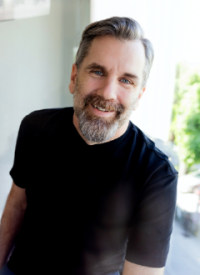
Janne Cadamuro is an Associate Professor of Laboratory Medicine at the Paracelsus Medical Private University and the Interim Head of the University Institute of Medical-Chemical Laboratory Diagnostics (UIMCL) at the University Hospital Salzburg. As an European Specialist in Laboratory Medicine (EuSpLM), his work spans clinical chemistry and hemostasis with a research focus on pre-/post-analytical quality, laboratory demand management, integrated diagnostics, and the use of AI/CDSS in practice. Recent leadership includes chairing the EFLM Working Group Post-analytical Phase (2021–2024) and serving as expert consultant to EFLM groups on AI and the pre-analytical phase. Current projects include neurology–laboratory competence centers (CSF, toxicology/TDM) and hospital-wide diagnostic pathways. He has authored 150+ peer-reviewed papers (h-index 35) and regularly teaches and organizes international courses and congresses. Follow him on ResearchGate, Google Scholar and LinkedIn.
JLPM: What are the most commonly encountered difficulties in academic writing?
Dr. Cadamuro: In short – bureaucracy and regulations. Navigating the complexities of academic writing and research in clinical settings can be significantly hampered by administrative and regulatory hurdles. While we have massive amounts of leftover blood specimens available from routine diagnostic procedures, offering potential for scientific investigation, current regulations typically forbid their secondary use without prior ethics committee approval and, in some instances, a valid legal basis for data processing. Similar restrictions on retrospective analyses of data generated during routine diagnostics are in place in certain countries, such as Austria. While ethical approval is undoubtedly crucial for participant protection and maintaining public confidence, the cumulative extent and procedural intricacy of these requirements in many regions have become an impediment rather than an aid, particularly for low-risk, de-identified secondary uses of biospecimens and routine data.
JLPM: The burden of being a scientist/doctor is heavy. How do you allocate time to write papers?
Dr. Cadamuro: I integrate clinical service and research by following a purposeful, translational workflow. Questions arising from clinical practice in the ward and laboratory prompt practical interventions in diagnostics, often in the form of demand-management strategies. These include optimized order sets, reflex/reflect rules, targeted interpretive comments, and lightweight clinical decision support integrated into the LIS. Each intervention is accompanied by a predetermined evaluation plan and routinely collected metrics. When randomization is not feasible, I conduct retrospective evaluations of these interventions using rigorous quasi-experimental designs, such as interrupted time series or difference-in-differences, on de-identified routine data to measure effect size, safety, and equity. These data I currently aim to use for machine learning support pattern recognition to improve diagnostic workflows in an integrated manner. This integrated approach facilitates natural "writing while working," where results from service improvements are accumulated, and I utilize dedicated weekly time blocks to transform analyses into manuscripts. The cycle of implementation, monitoring, retrospective evaluation, and refinement not only enhances clinical diagnostics but also generates immediately actionable evidence.
JLPM: What is fascinating about academic writing?
Dr. Cadamuro: What continues to fascinate me about academic writing is how it puts curiosity into practice. I started with two simple questions: “Why hasn’t anyone looked into this?” and “Says so?” These help me find overlooked areas and question common beliefs. I also follow Douglas Adams’s advice: “See first, think later, then test.” Writing is where this becomes a disciplined habit: it makes me carefully examine the evidence before forming theories and turn ideas into statements that can be tested and reviewed by others. In this way, each paper is a structured attempt to solve a puzzle—defining the problem, eliminating distractions, and building a strong argument—similar to tackling a long-standing math problem. The skill of turning data into a clear, repeatable story not only clarifies my own thoughts but also transforms personal curiosity into public knowledge that others can check, expand upon, or usefully challenge.
(by Brad Li, Masaki Lo)
Joakim Hekland

Joakim Hekland, MSc, works at Noklus (The Norwegian Organization for Quality Improvement of Laboratory Examinations), which aims to enhance laboratory services in primary health care through guidance, training, and quality assurance. His research centers on point-of-care testing (POCT) and the external quality assurance of POCT devices, with a focus on ensuring that these instruments deliver accurate and reliable results in clinical settings. Recently, he has participated in projects with the Scandinavian organization SKUP, evaluating antigen tests in microbiology, especially regarding SARS-CoV-2, and their performance among intended users. Through his work, he strives to improve diagnostic quality and support healthcare professionals in making informed decisions based on robust laboratory data.
JLPM: What are the essential elements of a good academic paper?
Joakim: In my view, one of the most critical aspects of preparing an academic paper is ensuring that the research methodology is robust, well-considered, and closely reflects real-world settings. This is particularly important within my field, where quality assurance of point-of-care testing (POCT) equipment is a central concern. I strongly believe that research in this area must be conducted independently to ensure unbiased and trustworthy results. A good academic paper should present a clear research question, relevant and rigorous methodology, and transparent data analysis. Every step should be meticulously planned so that the results are reliable and applicable to practical contexts. The discussion ought to connect findings to current evidence and consider their implications for both practice and future research. Upholding high methodological standards and research independence is crucial for ensuring the reliability and impact of the work.
JLPM: What authors have to bear in mind during preparation of a paper?
Joakim: When preparing a paper, authors must keep several key considerations in mind to ensure the quality and credibility of their work. If appropriate, it is essential to adopt a robust and independent research methodology that accurately reflects real-world conditions. Authors should clearly define their research question, select appropriate methods, and ensure that data analysis is transparent and thorough. Careful planning at each stage helps produce trustworthy results that can be applied in clinical practice. Furthermore, linking findings to existing evidence and discussing their broader implications are important for advancing knowledge. Upholding methodological rigor and maintaining independence throughout the process are vital for delivering impactful and reliable academic work.
JLPM: Why did you choose to publish in JLPM?
Joakim: I wanted to publish in JLPM because I regard the journal as highly relevant within my research area, particularly given its strong academic focus and commitment to advancing laboratory medicine and point-of-care testing. The opportunity to publish open access was also important to me, as it ensures that my work can reach a wider audience and contribute more broadly to the field. Additionally, JLPM is supported by a highly respected editorial team, whose expertise and reputation further reinforced my decision to submit my research here.
(by Brad Li, Masaki Lo)
Jack Breen

Jack Breen is currently in his second year of Graduate Entry Medicine at King’s College London, based at the university’s clinical campus in Portsmouth. He previously graduated from University College London in 2023 with a BSc in Human Sciences. Most recently, his co-authored article, “Investigative Algorithms for Disorders Affecting Plasma Manganese Concentration: A Narrative Review” (with Dr. Alexa Shipman), was published in the Journal of Laboratory and Precision Medicine. Connect with him on LinkedIn.
JLPM: What are the key skill sets of an author?
Jack: In my opinion, a strong academic author needs a combination of clarity, curiosity, and critical discipline. Clarity ensures that even complex topics, such as trace-element diagnostics, are communicated in a way that clinicians and scientists can apply in practice. Curiosity drives the process of questioning assumptions, integrating evidence across disciplines, and identifying gaps in the literature. Critical discipline is essential for maintaining methodological rigour, especially when reviewing heterogeneous or emerging fields. One thing I haven’t yet mentioned is the desire to get the article over the line. The review process can sometimes be arduous, but it is a necessity. In my recent article on diagnosing manganese imbalances, these skills were crucial in synthesising physiology, analytical science, and clinical medicine into coherent diagnostic pathways.
JLPM: How to avoid biases in one’s writing?
Jack: This is almost impossible, as we are all biased by our education and the information that we have consumed or that is readily available to us. However, we can try our best to avoid bias by continually seeking to evolve with science. Continue to read. Continue to keep an open mind, as the knowledge that we have may become outdated or proven wrong at any point. Keep asking questions. It is also crucial to avoid overstating conclusions, as limitations always exist.
JLPM: Academic writing takes a lot of time and effort. What motivates you to do so?
Jack: I am motivated by the belief that clarifying complex clinical problems has a real impact on patient care. Many clinicians rarely encounter disorders of trace-element metabolism, yet the consequences of misinterpreting a laboratory result can be significant. Writing the manganese diagnostic review was particularly motivating because it addressed a clear gap: despite the element’s importance, there was no accessible, unified framework for interpreting high or low manganese concentrations. The opportunity to produce something that could genuinely help future colleagues - whether laboratory scientists or frontline clinicians - made the work rewarding.
(by Brad Li, Masaki Lo)
Ashley R. Rackow

Dr. Ashley Rackow is an Assistant Professor in the Department of Pathology at Johns Hopkins University where she is the Director of Pre-Analytical Services, Co-Director of Main Chemistry and Co-Director for Point-of-Care Testing. Her research interests focus on improving access to precision medicine through the application of laboratory diagnostics, particularly pharmacogenomics and therapeutic drug monitoring. In parallel, she is also interested in better integrating cutting edge diagnostics into routine care utilizing principles of diagnostic stewardship and high-value care.
In Dr. Rackow’s opinion, clinical and translational researchers often possess deep expertise in narrow sub-disciplines, making it challenging—yet essential—to communicate findings clearly to broader audiences. As knowledge expands, authors must balance concise writing with sufficient background context while highlighting knowledge gaps and unmet needs. Transparency, detail, and reproducibility are critical, and rigorous self-critique—acknowledging strengths, limitations, and future research directions—strengthens scientific integrity.
Dr. Rackow reckons that scientific reporting guidelines like CONSORT and TREND promote transparency, rigor, and reproducibility across disciplines. Their growing number reflects both the diversity of research and the community’s commitment to high standards. She strongly recommends using them and exploring the EQUATOR Network (equator-network.org), which catalogs guidelines by study type. These resources are also invaluable for trainees, serving as practical models to develop strong scientific communication skills.
“While it is challenging to balance multiple roles and competing interests, publishing is the best way to communicate your findings to the broader scientific community. As someone who still gets excited about discovering new data and identifying trends, I strive to annotate these findings in real time. None of those annotations are formal, but they are notes to myself that allow me to quickly revisit what I was thinking when I first came across the data. This helps me be more efficient when I return to that original idea and revise my thoughts. Often these early comments serve as the basis for a presentation or populate an outline for a manuscript in progress,” says Dr. Rackow.
(by Brad Li, Masaki Lo)
LVKS Bhaskar
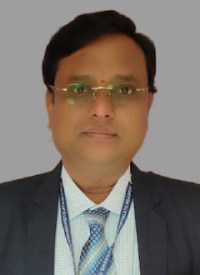
Dr. LVKS Bhaskar holds the position of Professor of Zoology at Guru Ghasidas Vishwavidyalaya, Bilaspur, India. He received his PhD from Sri Venkateswara University, Tirupati and completed his postdoctoral studies at Kaohsiung Medical University, Taiwan. He received his Doctor of Science degree from Sambalpur University, Sambalpur, India. Prior to this, he conducted research at the Center for Cellular & Molecular Biology (CCMB), Hyderabad, provided academic services at Sri Ramachandra University, Chennai, and later worked as a Senior Scientist at the Sickle Cell Institute, Raipur, focusing his research on the genetic and biochemical aspects of sickle cell anemia. At Guru Ghasidas Vishwavidyalaya, he has served in leadership positions as Dean, Director of the R&D Cell, and Director of the IQAC. His research primarily focuses on genetic polymorphisms and their association with various Mendelian and non-Mendelian diseases. Notable research grants under his leadership include projects funded by CSIR, ICMR, DBT and Chhattisgarh Council of Science & Technology. He is a recipient of the Professor Pampapathi Rao Memorial Gold Medal, has published over 245 research papers and 25 book chapters, and received the Most Cited Author Award in 2021. He is a member of various professional organizations and editorial boards and received the Best Teacher Award in 2020, 2021, and 2023 for his contributions to education and research. Dr. Bhaskar’s profiles can be found here and Reference Citation Analysis.
JLPM: What are the most commonly encountered difficulties in academic writing?
Dr. Bhaskar: As an academic researcher, I often face many challenges when preparing manuscripts amid the pressures of academic and administrative duties. Balancing research, teaching responsibilities, and administrative work strains both time and energy, and the demands of advanced data collection and analysis can feel overwhelming. Although routine data reuse may not require ethical approvals, preparing review articles or meta-analyses is still slowed by stringent processes for controlling bias.
JLPM: The burden of being a scientist/doctor is heavy. How do you allocate time to write papers?
Dr. Bhaskar: In the early stage of my career, I needed extra weekly time blocks to focus on manuscript preparation and therefore also worked extensively at home. Over time, despite a busy schedule, I have gained experience that allows me to speed up the writing and publication processes. This growing efficiency makes workdays slightly longer yet more productive, enabling a better balance between academic and administrative duties.
JLPM: What is fascinating about academic writing?
Dr. Bhaskar: Academic writing is an innovative and transformative process. A strong foundation in reading is usually essential for effective writing, as reading a wide range of texts expands vocabulary, comprehension, and awareness of different writing styles. I think that every subject or topic merits exploration or writing. A person's level of interest and motivation to work on a task greatly impact the final outcome.
(by Brad Li, Masaki Lo)
Jacqueline A. Hubbard
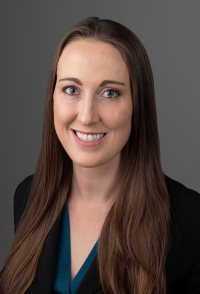
Jacqueline A. Hubbard, PhD, DABCC, is board certified by the American Board of Clinical Chemistry in both Clinical Chemistry and Toxicological Chemistry. She serves as Director of Clinical Chemistry and Toxicology at Beth Israel Deaconess Medical Center and as an Assistant Professor at Harvard Medical School. Dr. Hubbard’s clinical and research expertise centers on mass spectrometry–based diagnostics, toxicology testing, laboratory quality improvement, and the clinical interpretation of complex laboratory results. Her prior work includes biomarker development for cannabis exposure, wastewater-based epidemiology, assay validation, and quality assurance in clinical laboratories. She is actively engaged in national professional organizations and has a strong commitment to education. Her current research interests focus on advancing equity in laboratory medicine, developing mass spectrometry–based assays, and improving efficiency and quality within the clinical laboratory.
A good academic paper, according to Dr. Hubbard, addresses a clearly defined question that is both scientifically sound and clinically or intellectually meaningful. It demonstrates methodological rigor, transparency, and appropriate interpretation of data without overstating conclusions. Importantly, a strong paper situates its findings within the existing literature, explains why the work matters, and allows readers to understand both the strengths and limitations of the study. In applied fields such as clinical laboratory medicine, a good paper also translates analytical findings into real-world implications for patient care, policy, or practice.
From Dr. Hubbard’s perspective, the most common difficulties in academic writing are conceptual rather than technical. Authors, herself included, often struggle to articulate a clear and coherent scientific narrative. While they know their data intimately, translating that knowledge into writing that is accessible beyond their immediate subspecialties is challenging. Scientific writing requires disciplined selectivity—focusing on results that support the central hypothesis while omitting extraneous nuance. Finally, positioning the work within the existing literature remains difficult, as it requires clearly distinguishing what is known from what is novel while avoiding overstatement of conclusions.
“What I find most fascinating about academic writing is the collaborative process it fosters. Working with intellectually engaged colleagues allows ideas to be tested, refined, and strengthened through thoughtful discussion and critique. The result is a scholarly product that is far better than any single author could achieve alone and reflects a shared commitment to rigor, clarity, and advancing the field,” says Dr. Hubbard.
(by Brad Li, Masaki Lo)